 Napoli SC Hub
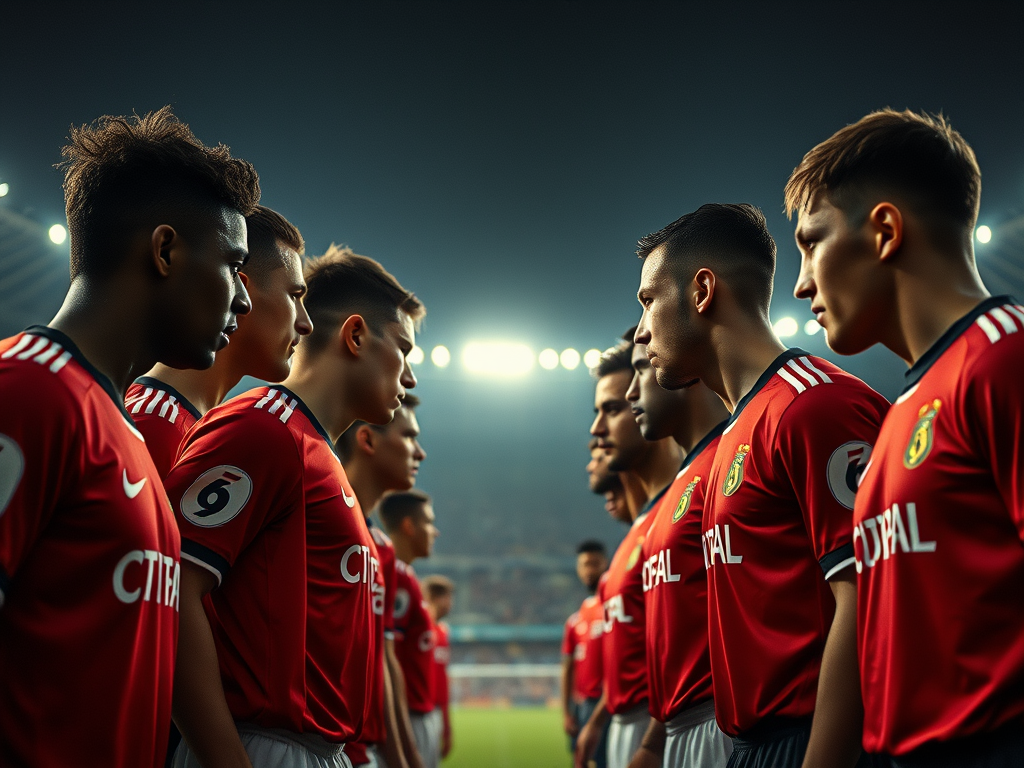
When Galo da Comarca prepares to face Goiás Esporte Clube, the city of Anápolis transforms. The streets fill with supporters dressed in the club's colors, the blue and white flag fluttering in the wind, while chants of support echo through the city. The atmosphere is electrifying, and the anticipation is palpable. For the enthusiasts, derby day is not just another match; it is a celebration of local identity and culture.
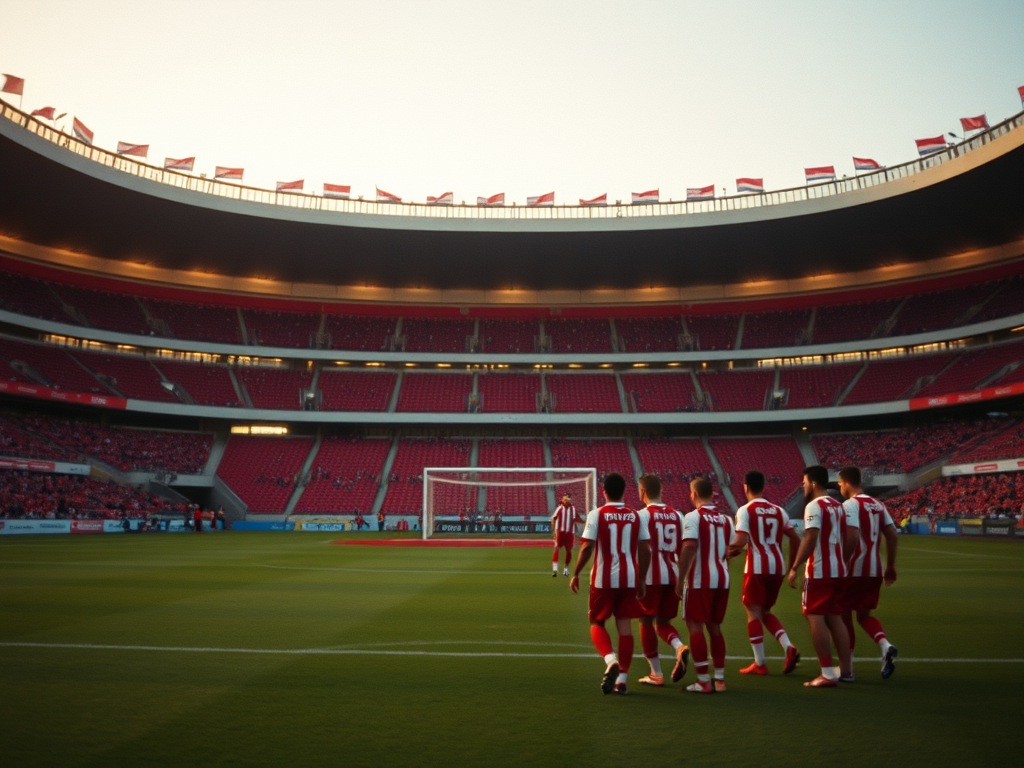
One of the most striking rituals of the supporters is the arrival at the Estádio Jonas Duarte. Fans gather hours before the match, creating a true spectacle of colors and sounds. The beating of drums merges with chants reverberating in the stands, forming a symphony that shakes the stadium's very foundations. The famous 'Gritinho do Galo', a popular song among supporters, is sung in unison, invoking the strength and spirit of the team.
Inside the stadium, the intensity escalates. Every goal by the Galo is celebrated with an explosion of joy, as supporters embrace and dance, creating a wave of euphoria that even reaches the most skeptical fans. The ritual of lighting flares and setting off fireworks marks the moment of each victory, elevating spirits and making passion even more visible.
The rivalry with Goiás is palpable, but paradoxically, it also serves as a source of unity for Anápolis supporters. The tense atmosphere surrounding the derby is balanced by camaraderie among fans, who, despite their differences, share a common passion for football and their city. Conversations about the game, debates about the best players, and strategies the team should adopt are constant, both in the stands and among friends.
One tradition that stands out is the face and body painting in the club's colors. Supporters gather in groups to paint themselves before the match, creating a vibrant and intimidating visual. This practice is more than a mere display of support; it is a way to express the deep connection each individual feels with Galo da Comarca. The stadium then transforms into a mosaic of art and passion.
The presence of handmade banners and flags is another essential element of the support culture. Each banner carries a message of love and support for the team, while the flags waving in the wind represent the struggle and determination of the fans. This visual atmosphere, combined with the deafening sound of encouraging shouts, creates an environment that is unique anywhere in Brazil.
Ultimately, the classic match between Anápolis and Goiás is more than just a football game; it is a celebration of cultural identity and community solidarity. Each supporter, with their beating heart and unwavering spirit, becomes a fundamental part of the story that unfolds each season. And as the rivalry continues, the passion for Galo da Comarca only grows, keeping the flame of football alive in Anápolis.
In the end, what matters is the passion, the unity, and the celebration of football that brings everyone together under the same blue and white sky. Galo da Comarca and its supporters are undoubtedly a spectacle in their own right, making every derby a memorable and thrilling event.